
Scheduling Trades & Project Flow: What Homeowners Don't See
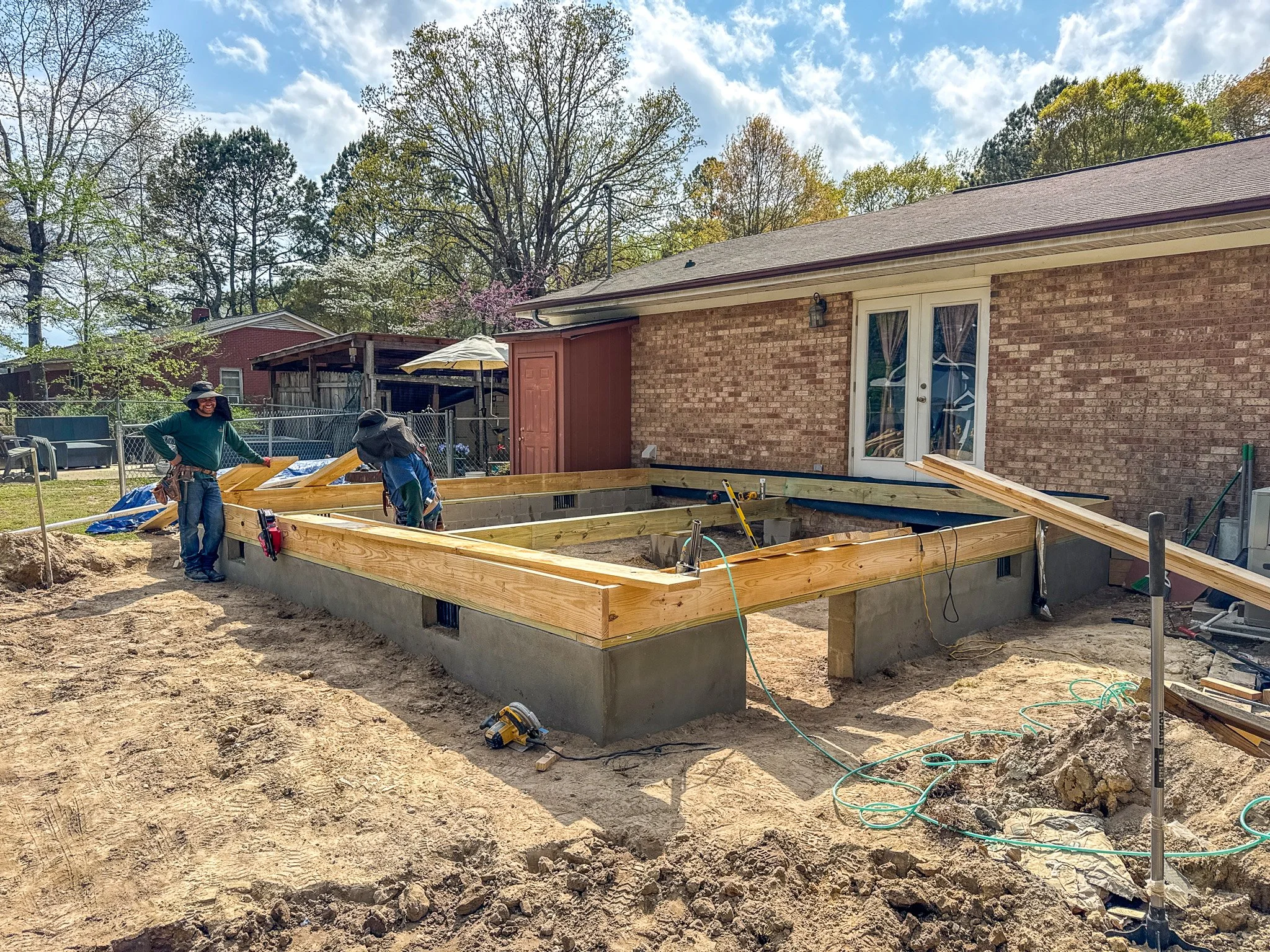
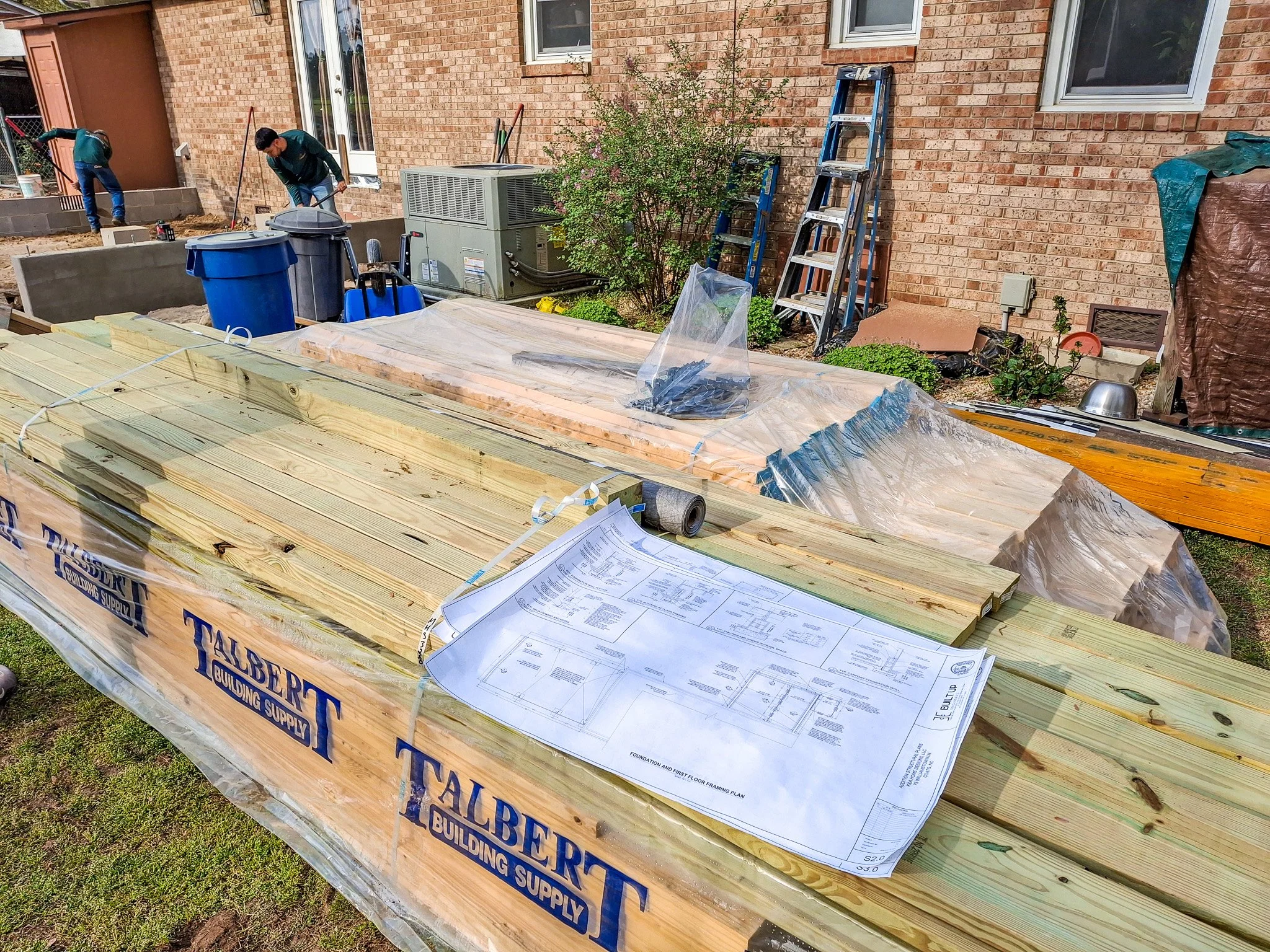
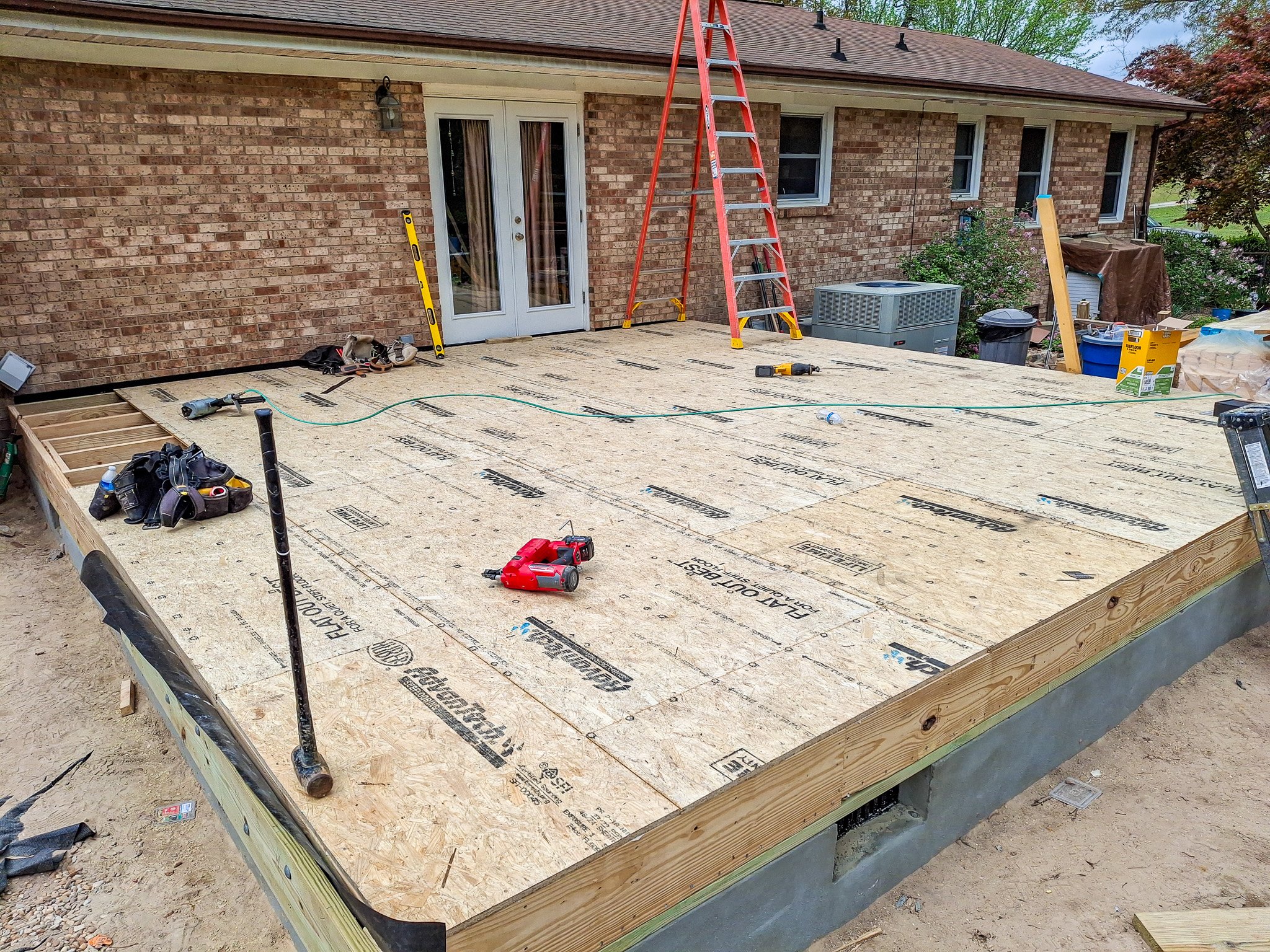
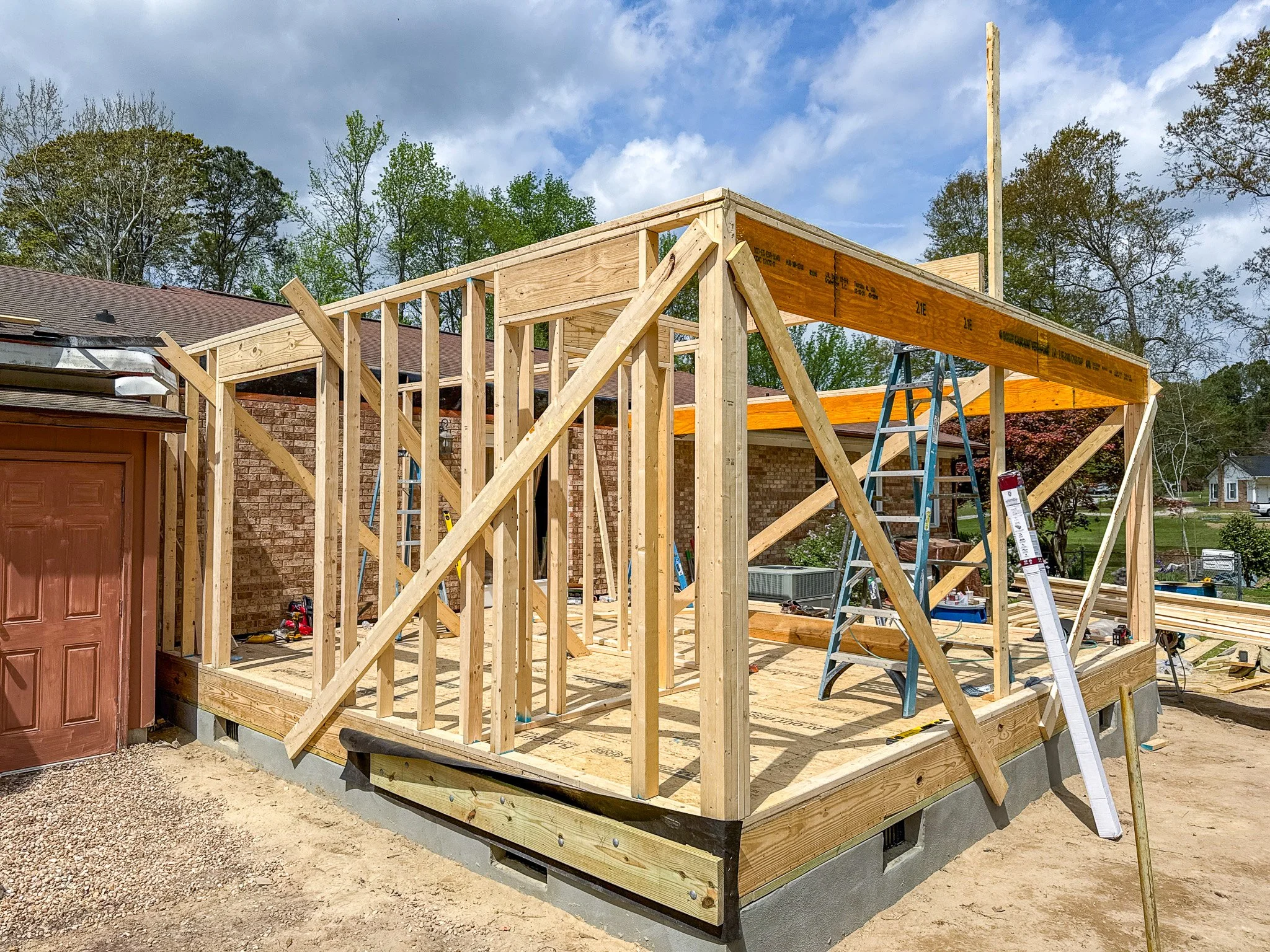
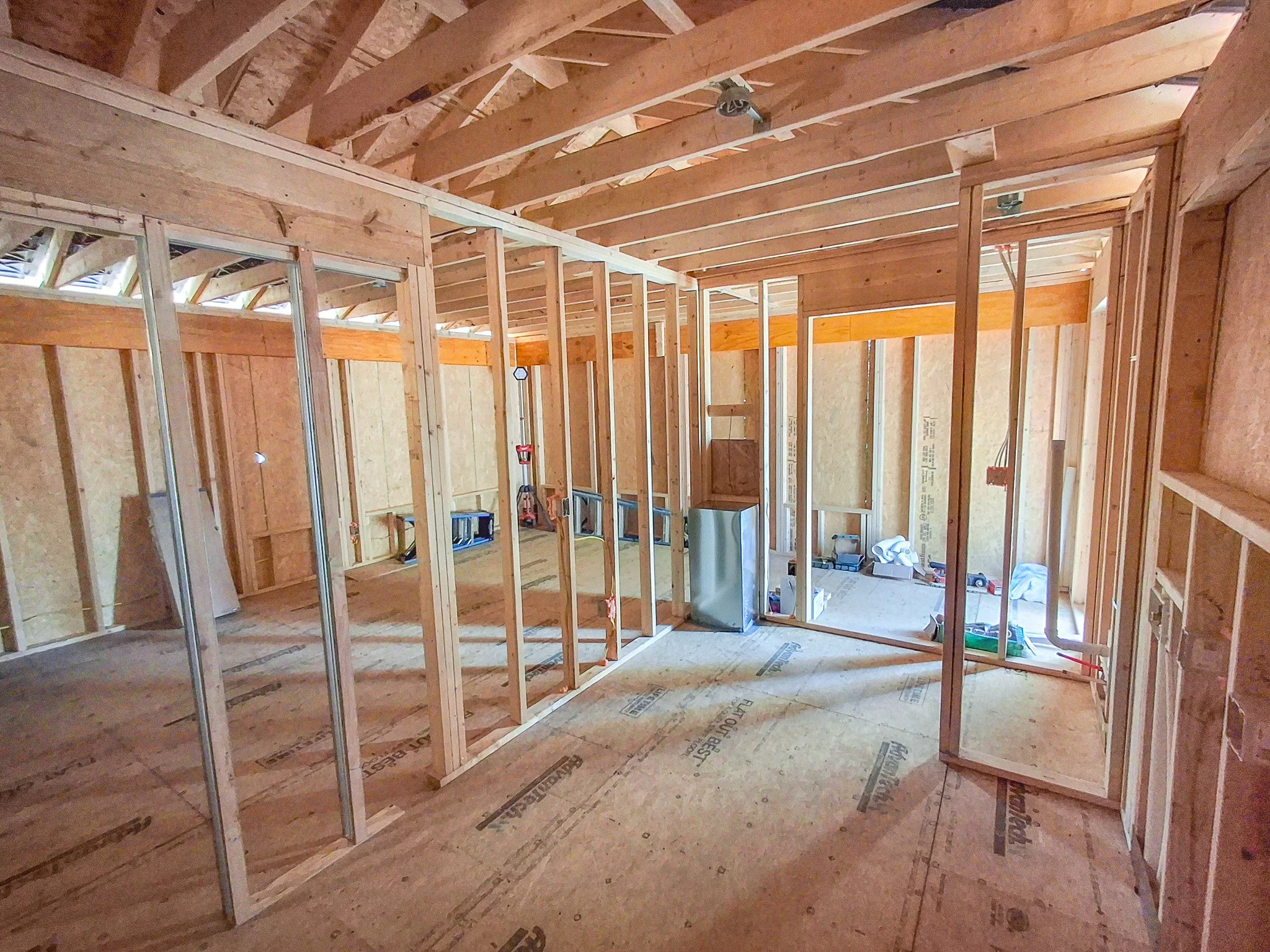
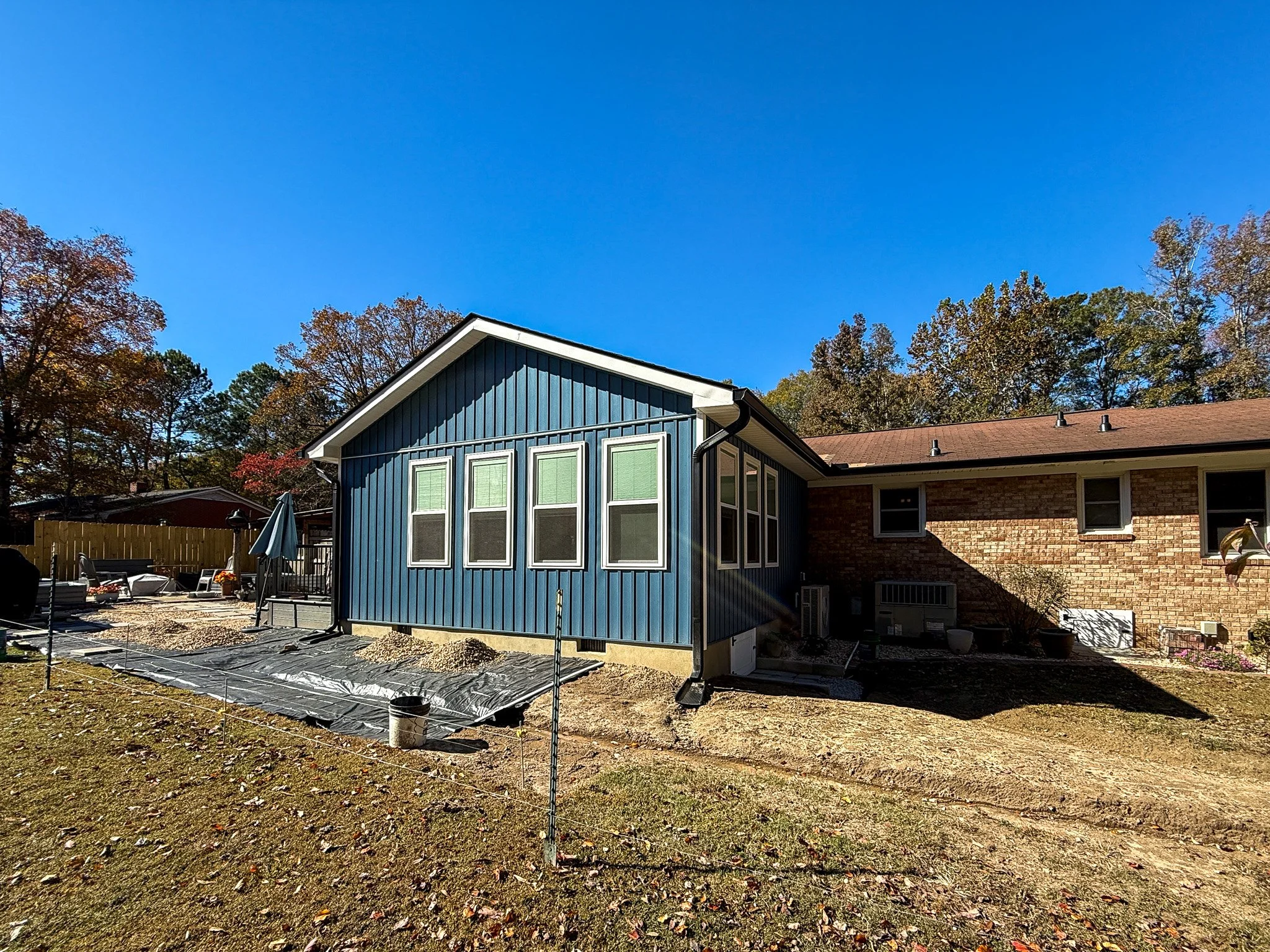
There's a version of a home renovation that looks effortless from the homeowner's perspective. The right people show up at the right time. Each phase of work flows cleanly into the next. Materials arrive when they're needed. Inspections happen on schedule. The project moves forward without gaps, without delays, and without the homeowner having to chase anyone down for an update.
That experience doesn't happen by accident. And it doesn't happen without a significant amount of coordination happening behind the scenes that most homeowners across Fuquay-Varina, Holly Springs, Angier, Lillington, Garner, and Willow Spring never fully see.
This week we're pulling back the curtain on one of the most complex and most consequential parts of any home renovation project in Wake, Harnett, and Johnston Counties — trade scheduling and project flow. Understanding what goes into this coordination is one of the best ways a homeowner can evaluate the quality of a contractor's process before they ever sign a contract.
Why Trade Sequencing Matters More Than Most Homeowners Realize
A home renovation project is not a single task. It is a carefully sequenced series of tasks performed by different licensed tradespeople — each of whom can only do their portion of the work after the phase before them is complete and before the phase that follows them begins.
Get that sequence right and the project moves efficiently. Get it wrong and the consequences compound quickly — a plumber who shows up before demolition is complete, a tile installer who arrives before the waterproofing membrane has had adequate time to cure, a cabinet installer who is scheduled before the electrical rough-in has passed inspection. Each missequencing creates a delay. Each delay costs time and often money.
For homeowners planning a kitchen remodel, bathroom renovation, home addition, or whole-home remodel in the Fuquay-Varina area, here is what the general sequence of licensed trades looks like on a well-managed renovation project — and why each step has to happen in the order it does.
Demolition
Every renovation starts with demolition — removing what exists to make way for what's coming. On a kitchen remodel or bathroom renovation in Fuquay-Varina or Holly Springs, demolition might include removing existing cabinetry, flooring, tile, fixtures, drywall, and in some cases structural elements like walls or soffits.
Demolition has to happen before any rough-in trade can begin their work — because rough-in trades need open walls, open floors, and clear access to the structural and mechanical systems they're working with. A contractor who tries to rush past demolition or leaves partial demo in place before calling in trades is setting up delays before the project has even found its rhythm.
At McLeod Home Services, demolition is managed cleanly and completely before any licensed trade partner sets foot on site for rough-in work. Debris is controlled, the space is protected, and the jobsite is left in a condition that allows each subsequent trade to work efficiently.
Rough-In Trades — Plumbing, Electrical, and HVAC
With demolition complete and walls open, the rough-in trades begin. This is the phase where licensed plumbers, electricians, and HVAC technicians do the foundational work that will eventually be hidden behind drywall — and it is one of the most critical phases of any home renovation in Wake County, Harnett County, or Johnston County.
Rough-in plumbing establishes the supply and drain lines for your new kitchen or bathroom layout. Rough-in electrical runs the circuits, panels, and wiring for new outlets, lighting, appliances, and fixtures. Rough-in HVAC addresses any duct modifications, new registers, or mechanical changes your renovation requires.
All of this work must be performed by licensed tradespeople in North Carolina — and all of it must be inspected and approved by the appropriate building authority before walls are closed. In Wake County, Harnett County, and Johnston County, rough-in inspections are required for plumbing, electrical, and mechanical work. Scheduling those inspections at the right time — after rough-in is complete but before drywall begins — is a coordination responsibility that falls entirely on the general contractor.
At McLeod Home Services, every trade partner we work with across our service area holds their own license (where applicable) and carries verified general liability and workers' compensation insurance. We schedule rough-in inspections proactively and don't allow drywall to begin until every required rough-in inspection has passed.
Insulation
Once rough-in inspections are approved, insulation goes in before drywall begins. On exterior walls this means properly specified insulation for North Carolina's climate — particularly important in the Fuquay-Varina area where summer humidity and heat create real energy performance challenges. On interior walls insulation may also be used for sound attenuation between spaces.
Insulation is a step that gets skipped or rushed on projects where the general contractor is more focused on moving fast than doing the work right. It's also one of the steps that is completely invisible once drywall is in place — which means a homeowner has no way to verify it was done correctly after the fact without opening the wall. That's exactly why working with a licensed, insured general contractor who you trust to do the right thing when no one is watching matters as much as it does.
Drywall
With rough-in inspections passed and insulation complete, drywall can begin. Hang, tape, finish, and texture — each stage of the drywall process requires adequate drying time before the next stage can proceed. Rushing the drywall finishing process produces visible results in the finished paint work — and those results are very difficult to fix after the fact without starting over.
At McLeod Home Services we build adequate drywall finishing time into every project schedule rather than compressing it to make a delivery date. The finished wall is what the homeowner lives with every day — it deserves to be done right.
Tile and Flooring
Tile installation — particularly in wet areas like showers and bathroom floors — is one of the phases of a home renovation where proper sequencing has the most significant long-term consequences.
Before tile can go in a shower or wet area on a renovation project in the Fuquay-Varina area, a proper waterproofing membrane must be installed and given adequate time to cure. That waterproofing layer is what protects the structural substrate behind and beneath the tile from moisture infiltration. A tile installer who works over an inadequate or improperly cured waterproofing membrane is creating a failure point that may not become visible for months or years — and when it does, it typically means full tile removal, substrate replacement, and reinstallation.
We covered the importance of tile installation quality in our earlier blog on “Where to Save vs Where to Spend on a Home Renovation”. The same principle applies here: tile sequencing and waterproofing are not areas where speed or cost-cutting produces an acceptable outcome.
Flooring in non-wet areas — hardwood, LVP, carpet — is typically installed after tile work is complete and after cabinetry is in place, so that flooring can be run under or up to finished elements rather than being cut around rough openings that haven't been fully defined yet.
Cabinetry and Millwork
Cabinet installation follows flooring and tile in most kitchen and bathroom renovations in Wake County and Harnett County — and it is the phase that most dramatically transforms the visual appearance of the space. For homeowners who have been living around an open, torn-up renovation for several weeks, cabinet installation day is often the first moment the finished vision becomes tangible.
Cabinetry sequencing also has downstream implications. Countertop templates cannot be measured until cabinets are installed and fully set. Plumbing and electrical trim-out — the visible fixtures, outlets, and switches that complete the mechanical work — happens after cabinetry is in place. Getting cabinets installed on schedule is not just about the cabinets — it keeps every subsequent phase on track.
Countertop Templating and Installation
Once cabinetry is installed and set, countertop templating can occur. For quartz and granite countertops — which are among the most common selections on kitchen remodels in the Fuquay-Varina, Holly Springs, and Wake County area — a fabricator visits the site to create precise templates of the cabinet layout before the stone is cut. That template visit is followed by a fabrication period before the countertops return for installation.
This lead time is another reason that material selections and contractor coordination matter so much during the pre-construction phase. A homeowner who hasn't made countertop selections before construction begins — or whose contractor hasn't established relationships with reliable local fabricators — is going to encounter delays at this stage that push back every subsequent phase of the project.
Plumbing and Electrical Trim-Out
With cabinetry and countertops in place, licensed plumbers and electricians return for trim-out — the installation of the visible finish elements that complete the mechanical work. Faucets, sinks, and supply connections on the plumbing side. Light fixtures, outlets, switches, and appliance connections on the electrical side.
Trim-out inspections are required in North Carolina for most renovation scopes — and scheduling those inspections at the right time is another coordination responsibility that falls on the general contractor. At McLeod Home Services, trim-out inspections are scheduled proactively and every client can see inspection status in real time through their JobTread client portal.
Paint
Paint is one of the final phases of a home renovation project in the Fuquay-Varina area — and one of the most revealing. Paint makes everything look finished or unfinished. Proper prep, clean cut lines, and consistent coverage are what separate a professional paint finish from one that draws attention to itself for the wrong reasons.
At McLeod Home Services, paint goes in after cabinetry, countertops, and trim-out are complete — so that walls are painted against finished elements rather than being touched up around work that hasn't happened yet. Paint touch-ups after everything else is complete are normal. A full repaint because the sequence was wrong is not.
Final Inspections and Punch List
With construction complete, final inspections are scheduled with the appropriate building department in Wake County, Harnett County, or Johnston County. Final inspections close out the permit — which is an important step for your home's records and for any future resale.
Once final inspections are passed, the punch list process begins. We walk every element of the finished project with you together — documenting anything that needs attention, completing any final touch-ups, and making sure every expectation has been met before we consider the project complete.
As we covered in our blog on the full Design and Construction Process — no McLeod Home Services project is considered finished until you have walked it with us and signed off on the result. That's not a formality. It's a commitment.
What Keeps All of This on Track
The reason trade sequencing works smoothly on McLeod Home Services projects across Fuquay-Varina, Holly Springs, Angier, Lillington, Garner, and Willow Spring isn't luck. It's our JobTread project management platform — where every trade partner, every inspection, every material delivery, and every phase of work is built into a single living project schedule that both our team and our clients can see in real time.
When something shifts — a material arrives earlier than expected, an inspection gets rescheduled, a trade partner needs to adjust their window — we update the schedule in JobTread and everyone who needs to know, knows. That real-time coordination is what keeps projects moving and what keeps homeowners informed without having to chase anyone down for an update.
If you're planning a kitchen remodel, bathroom renovation, home addition, deck, screened porch, crawl space repair, or whole-home remodel in Fuquay-Varina, Holly Springs, Angier, Lillington, Garner, Willow Spring, or anywhere across Wake, Harnett, or Johnston Counties — we'd love to show you what a well-coordinated renovation project looks and feels like from the inside.
No pressure. No obligation. Just a straightforward conversation with a licensed, insured general contractor who takes project flow as seriously as the finished product.
