
Remodel vs. Renovation vs. Repair: What’s the Difference (and Why It Matters)
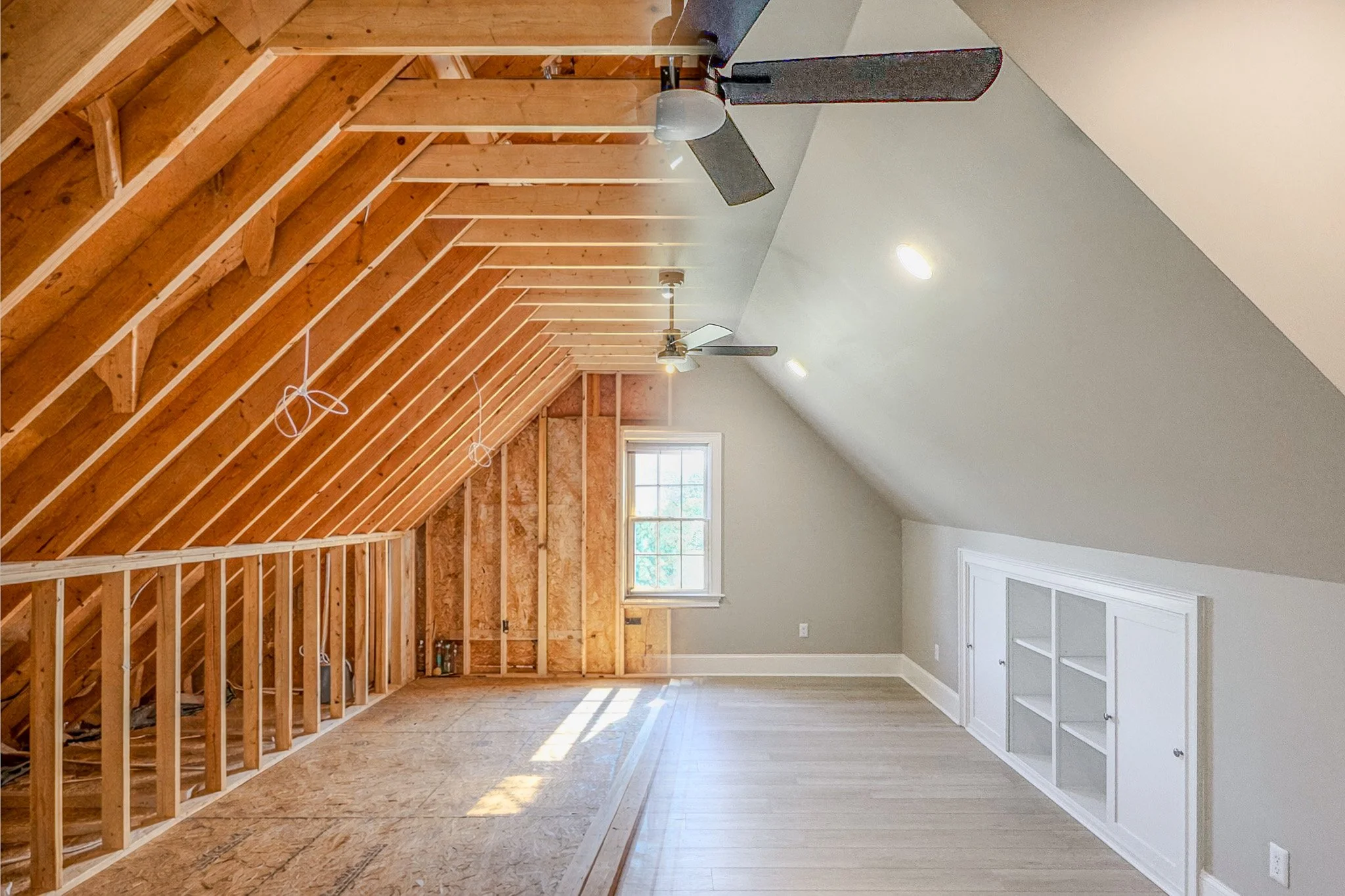
These Words Get Used Interchangeably — But They’re Not the Same 🔧🏠
Homeowners hear the terms remodel, renovation, and repair all the time. Contractors use them. TV shows use them. Even estimates and invoices use them.
But here’s the issue:
They don’t all mean the same thing — and misunderstanding them can lead to confusion, budget surprises, and unrealistic expectations.
We see this often with homeowners in Fuquay-Varina and throughout Southern Wake, Harnett, and Johnston Counties. Someone calls asking for a “small remodel,” when in reality they need a repair. Or they think they’re doing a repair, but the project is actually a renovation.
Understanding the difference upfront helps you:
Plan more accurately
Budget realistically
Communicate clearly with your contractor
Avoid frustration once work begins
Let’s break it down in a simple, homeowner-friendly way.
What Is a Repair? 🛠️
A repair is about fixing something that’s broken, damaged, or no longer functioning as intended.
Repairs focus on restoring — not changing.
Common repair examples include:
Fixing drywall after a plumbing leak
Replacing rotted subfloor in a small area
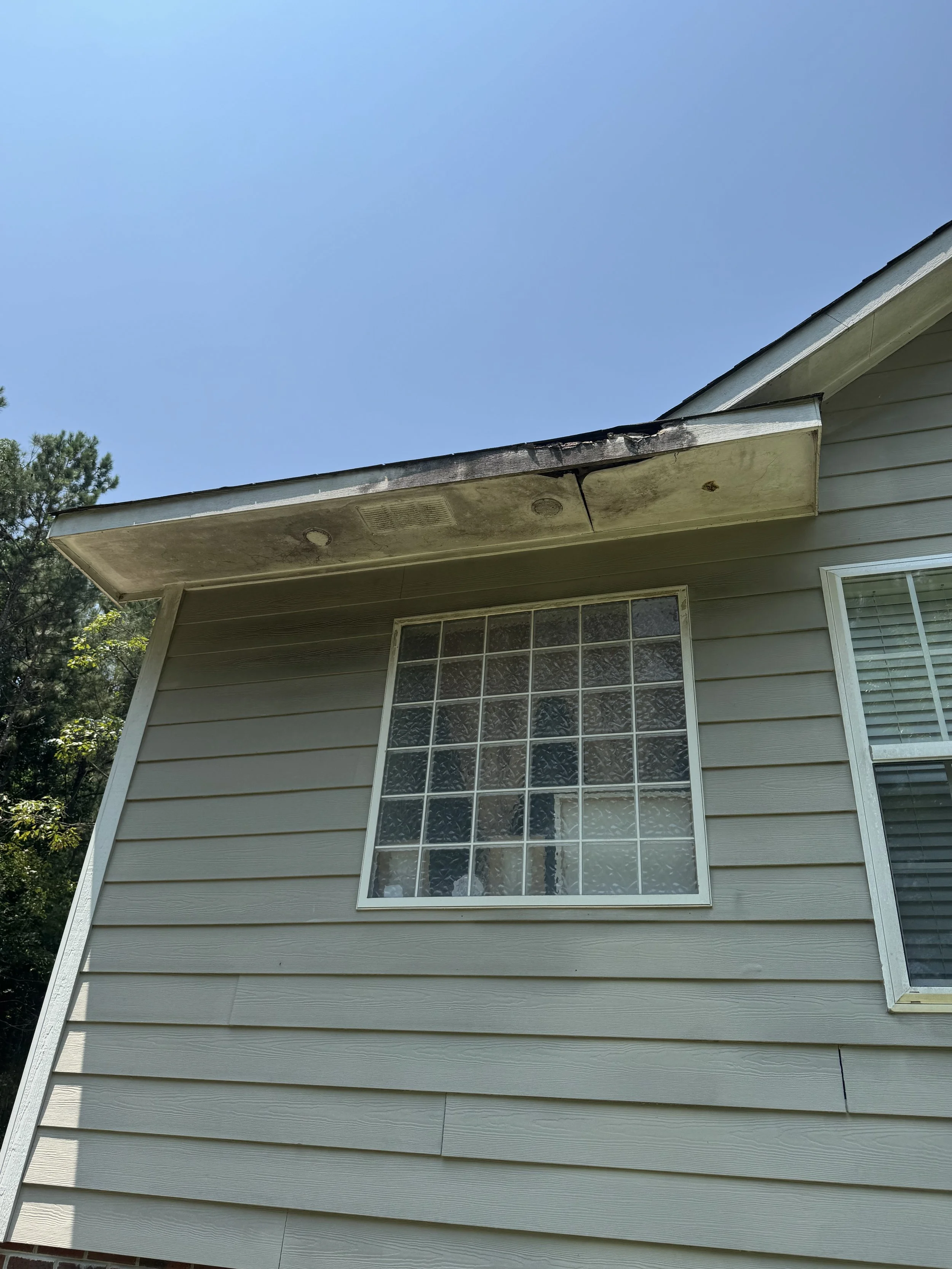
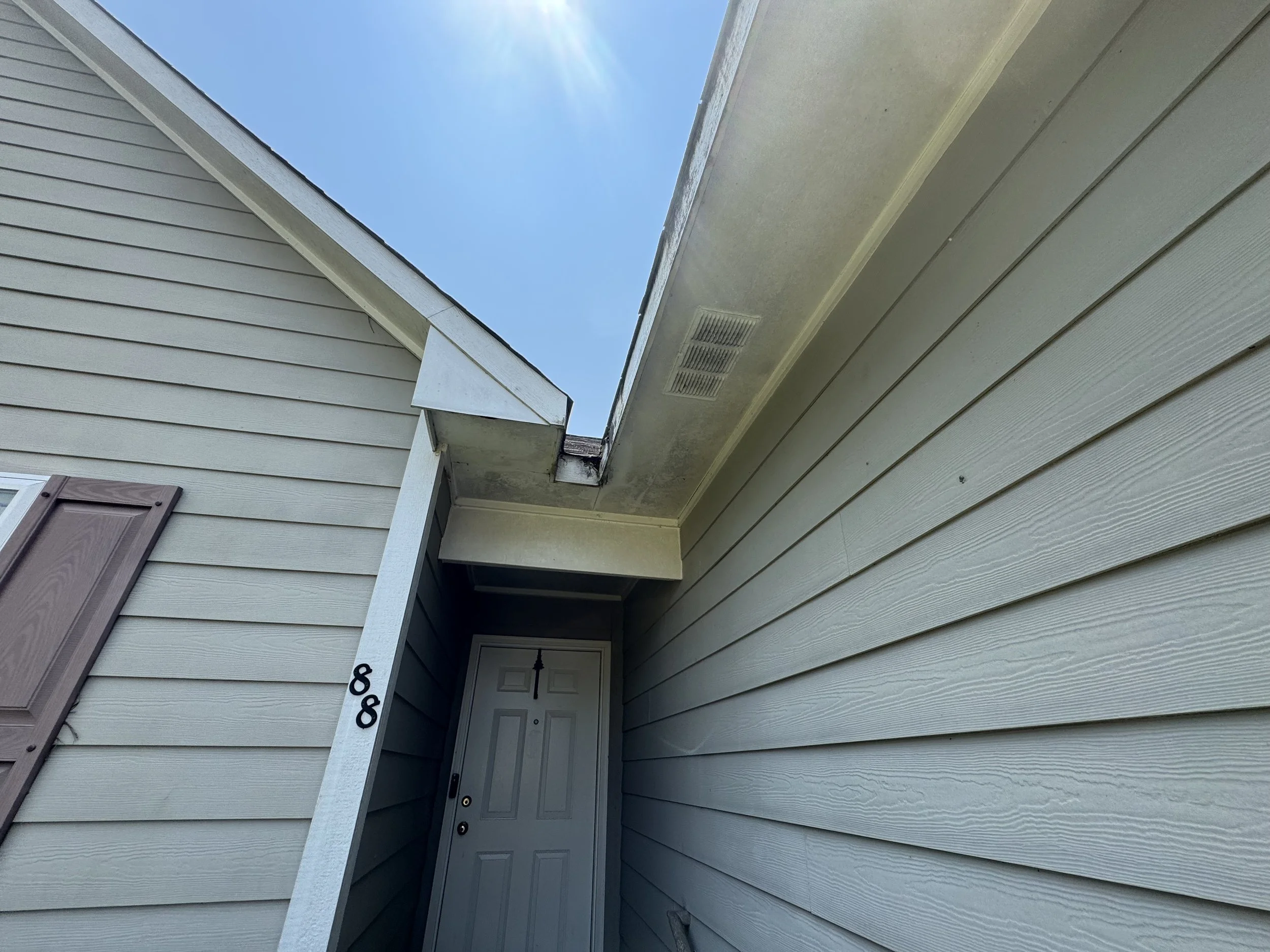
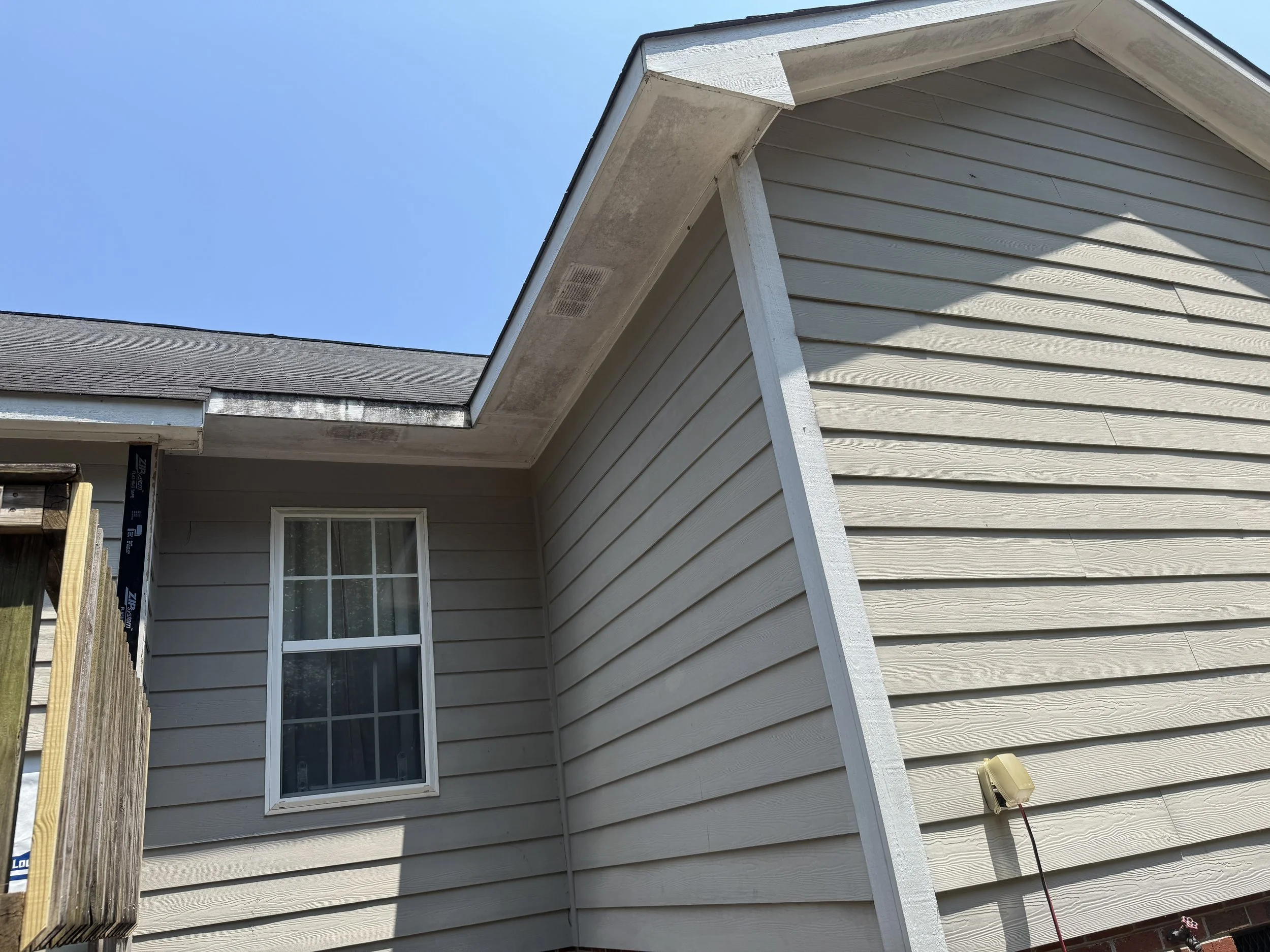
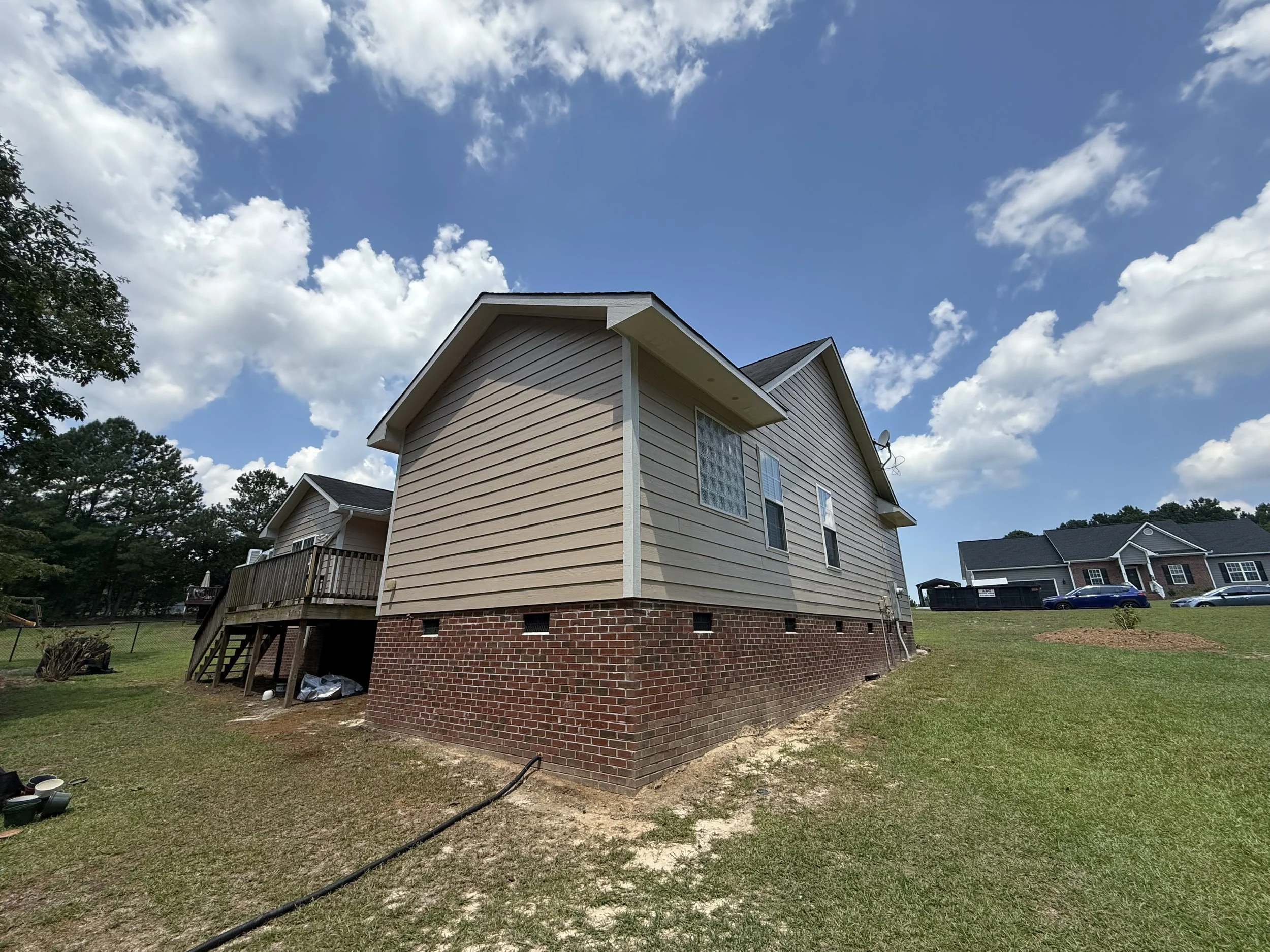
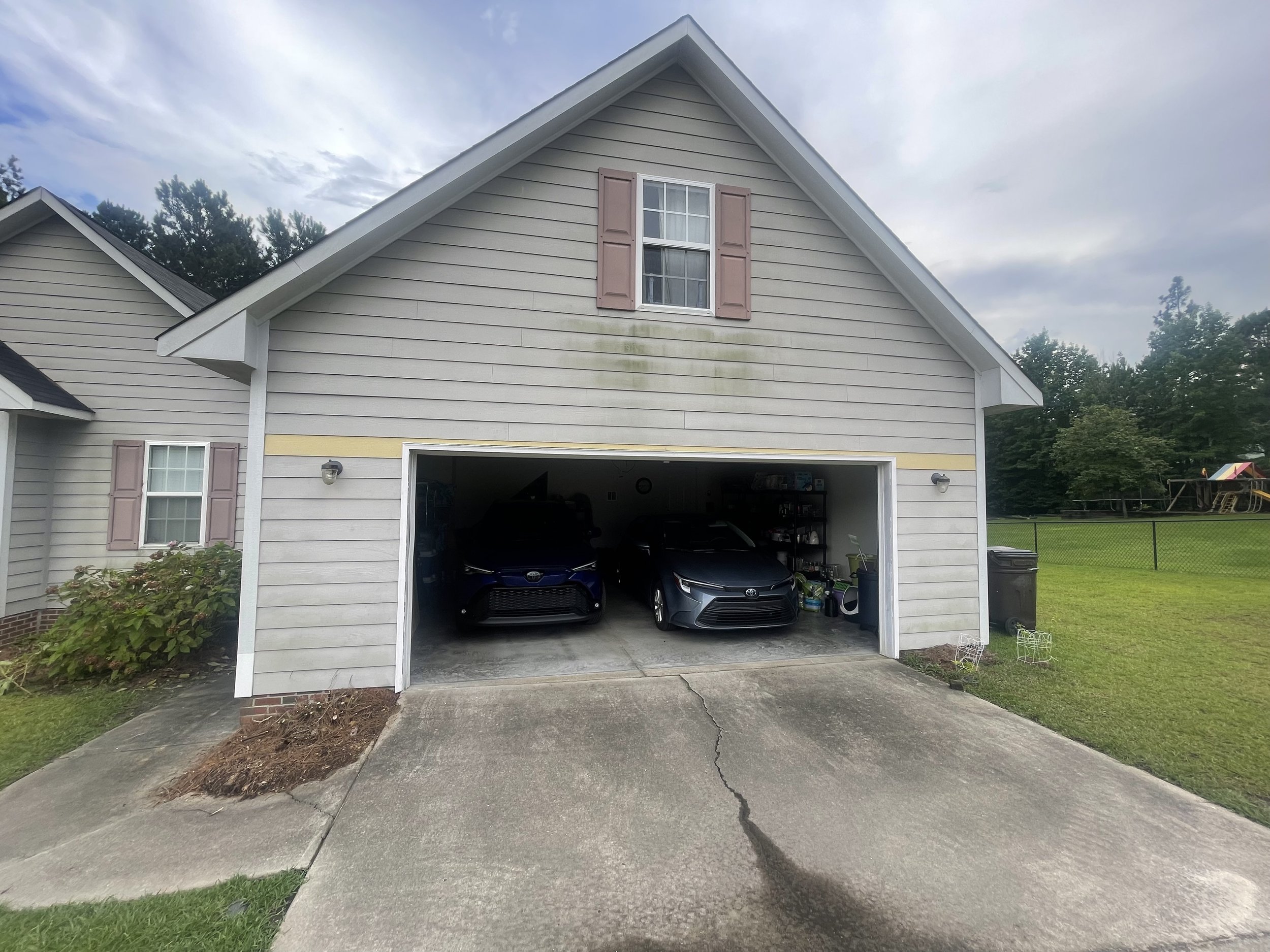
Repairing damaged trim or siding
Fixing water-damaged flooring
Correcting insulation or framing issues
Repairs are usually more targeted and limited in scope. The goal is to bring something back to its original condition so it functions properly again.
That said, repairs can still be important — and sometimes urgent. Ignoring them can allow small issues to turn into much larger (and more expensive) problems over time.
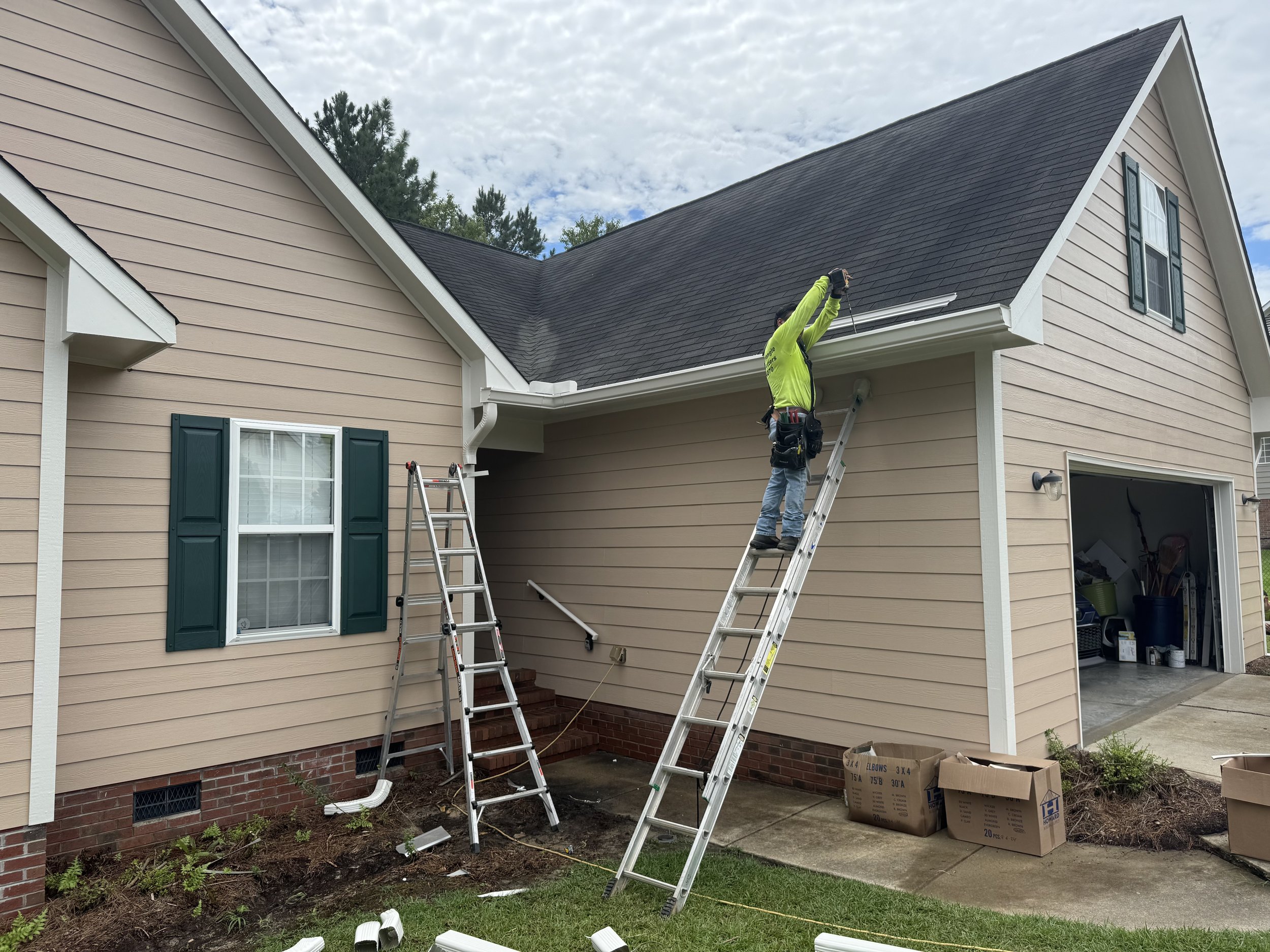
What Is a Renovation? 🔄
A renovation improves or updates an existing space without changing its overall purpose.
Think of renovations as upgrading what’s already there.
Examples of renovation projects include:
Updating a bathroom while keeping the same layout
Replacing cabinets, countertops, and flooring
Installing new fixtures or finishes
Updating insulation or ventilation systems
Refreshing an outdated kitchen without moving walls
Renovations often combine repair work with upgrades. For example, you might repair water damage and update finishes at the same time.
This is where many homeowners land — they don’t just want something fixed, they want it improved so it performs better and lasts longer.
What Is a Remodel? 🧱➡️🧱
A remodel changes the structure, layout, or function of a space.
This is the most involved of the three.
Remodel examples include:
Changing a kitchen layout
Removing or adding walls
Expanding a bathroom
Converting a space to a new use
Reconfiguring plumbing or electrical systems
Remodels often involve multiple trades, permits, inspections, and longer timelines. Because the structure or flow of the home is changing, remodels require careful planning and coordination.
They can be incredibly rewarding — but they also come with more variables than repairs or renovations.
👉Check out a recent remodel we finished.👉
Why the Difference Actually Matters 💡
From a homeowner’s perspective, it might feel like semantics. But these distinctions affect:
Budget – Remodels typically cost more than renovations, and renovations more than repairs
Timeline – The more complex the project, the more time it usually requires
Permits & Inspections – Remodels often require more approvals
Expectations – Understanding scope prevents surprise costs or delays
When expectations and scope don’t match, frustration usually follows.
Where Homeowners Get Tripped Up 🚧
One of the most common situations we see is a homeowner requesting a “repair,” but once we investigate, the damage requires renovation-level work to fix properly.
For example:
A flooring repair that reveals widespread subfloor damage
A small leak that uncovers insulation and framing issues
A bathroom “refresh” that needs updated plumbing or waterproofing
That doesn’t mean anyone did anything wrong — it just means the project evolved once the full picture was visible.
Clear communication early on helps prevent those moments from feeling overwhelming.
How We Help Homeowners Navigate the Difference at McLeod Home Services 🤝
Our job isn’t just to do the work — it’s to help homeowners understand what their home actually needs.
We take time to explain:
What category the project truly falls into
Why certain work is necessary
What options exist at different investment levels
How today’s decisions affect long-term durability
When homeowners understand the why, they’re able to make confident decisions without pressure.
A Final Thought for Homeowners 💭
Whether your project is a repair, a renovation, or a remodel, clarity is key.
Knowing the difference helps you:
Ask better questions
Set realistic expectations
Feel more confident throughout the process
And confidence goes a long way when work is happening in your home.
